
Website Branding for Interior Designers
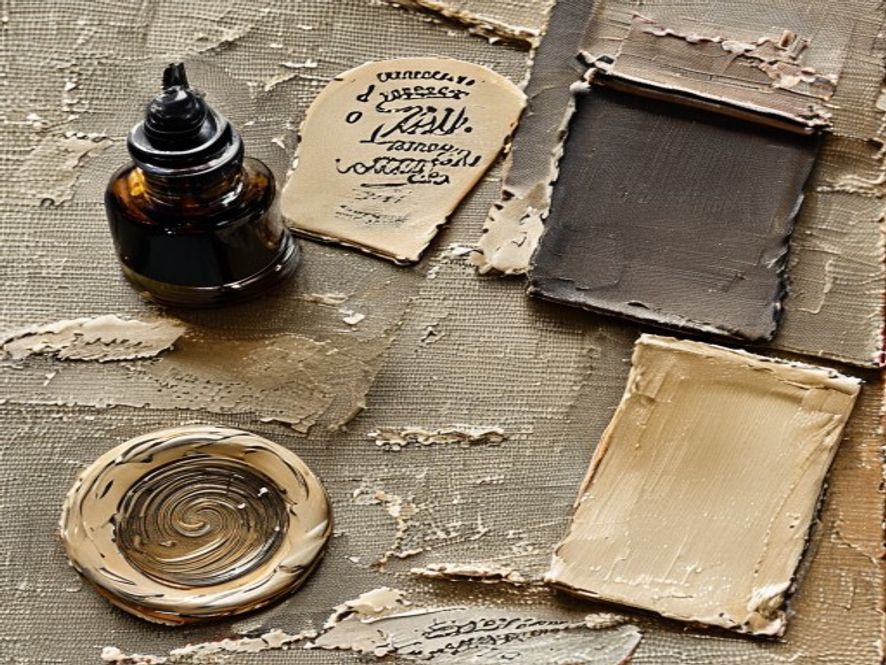
Your website is often the first sustained impression a discerning client has of your studio. Website branding is the discipline of making that impression intentional: every type choice, photograph, and interaction should feel inevitable rather than assembled.
This guide explains why branding on the site matters, which metrics govern results, and the practical standards Nakada Design uses when commissioning luxury studio sites.
Why the website sits at the center
Referrals, Instagram, Pinterest, Houzz, Maps, and ads all converge on a single destination. If that destination is slow, generic, or confusing, the cost of every upstream channel rises. We often decline pure advertising requests when the site cannot hold the attention ads buy.
Think of marketing as a funnel. Traffic is necessary. Conversion is what turns attention into consultations. Improving conversion can raise lead volume immediately without waiting for SEO momentum.
The two metrics that matter
Traffic: visits over time, shaped by SEO, content, social, partnerships, and paid media.
Conversion: the share of visitors who inquire. Small gains here multiply revenue because they apply to every visitor you already have.
Studios that treat the site as a serious asset manage both. Branding work primarily improves conversion and perceived value; acquisition work improves traffic.
What website branding includes
Typography. Limit yourself to a small set of fonts. Display faces may carry character; body text must remain legible. If you have a wordmark, avoid reusing that exact face elsewhere so the logo stays distinct.
Logo use. Keep the mark simple. Service lists and phone numbers belong in content, not inside the logo file.
Color. Apply a deliberate palette (complementary, monochromatic, analogous, or other disciplined schemes). Prefer a calm background so photography and type lead; reserve stronger color for accents and interaction states.
Space. Generous margins, consistent section rhythm, and padding that lets images breathe. Crowding reads as retail, not atelier.
Navigation. Few primary destinations. Hide minor pages from the main menu.
Responsiveness. The same hierarchy must hold on phones, where many homeowners begin research.
Style system. Shared tokens for type, color, and motion so new pages do not drift.
Copy. Language that signals expertise and fit. Most self-written studio copy under-explains process and overuses empty adjectives.
Photography. Professional, color-graded images that feel like one body of work. Mixed amateur sets undermine luxury positioning quickly. Avoid stock and generic illustration trends.
Bespoke detail. Custom illustration or art direction that appears only on your site.
Motion. Subtle hovers and transitions that confirm interactivity without spectacle.
Calls to action. Repeated, clear invitations to schedule a consultation or inquire.
The commercial effect
When branding is coherent, the site behaves like a private gallery: visitors understand the caliber of work, feel oriented, and can act. That supports firmer fees, cleaner shortlists, and less time spent re-explaining who you are on discovery calls.
Common failures
One-page sites that bury process and proof. Template sameness across competing studios. Slow hero video with no fallback. Contact forms with friction. Inconsistent image quality. Navigation that lists every service variant instead of a clear path.
How to begin
Audit the site on a phone in under two minutes: Can a stranger state what you do, for whom, and how to start? Fix foundation issues before buying more traffic. Then invest in identity systems and page architecture that match the commissions you want.
Nakada Design specializes in this work for interior designers. Explore our interior design website service, related reading on essential website features, and inquire for a complimentary consultation.
Frequently asked questions
Type, color, and motion
Pick one primary typeface family and a restrained secondary if needed. Limit color to a small set that matches your materials and photography. Motion, if any, should be quiet: fades and soft reveals, never bounce or lift on hover. Affluent clients read fidgety interfaces as cheap even when the photos are expensive.
Photography direction
Commission or select images that show light, scale, and finish. Mix wide context shots with honest detail. Avoid watermark clutter and stock that could belong to any studio. Consistent color grade across project pages makes the brand feel inevitable.
Copy that sounds like the studio
Write the way you would speak to a peer in a calm room. Name the clients you want, the geographies you serve, and the work you refuse. Specificity filters tire-kickers and reassures the right fit. If every sentence could sit on a competitor's site, keep rewriting.
Brand on every template, not only the home page
Project pages, the About page, and the inquiry confirmation should feel like one house. Shared type, spacing, button styles, and photography grade do more for brand memory than a clever home-page animation. Audit those templates before you commission another campaign.
Website branding is the coordinated use of typography, color, spacing, photography, motion, and copy so the site feels like a true extension of the studio. It is how taste becomes legible online.
Templates can look tidy. Branding makes the experience specific to your practice. Specificity is what supports premium fees and shortlists among affluent clients comparing several designers.
Yes. Conversion can rise as soon as structure, proof, and calls to action become clearer. Traffic growth takes longer; conversion improvements can show in the next cohort of visitors.