
Architecture Case Study: Writing Project Narratives That Support Selection
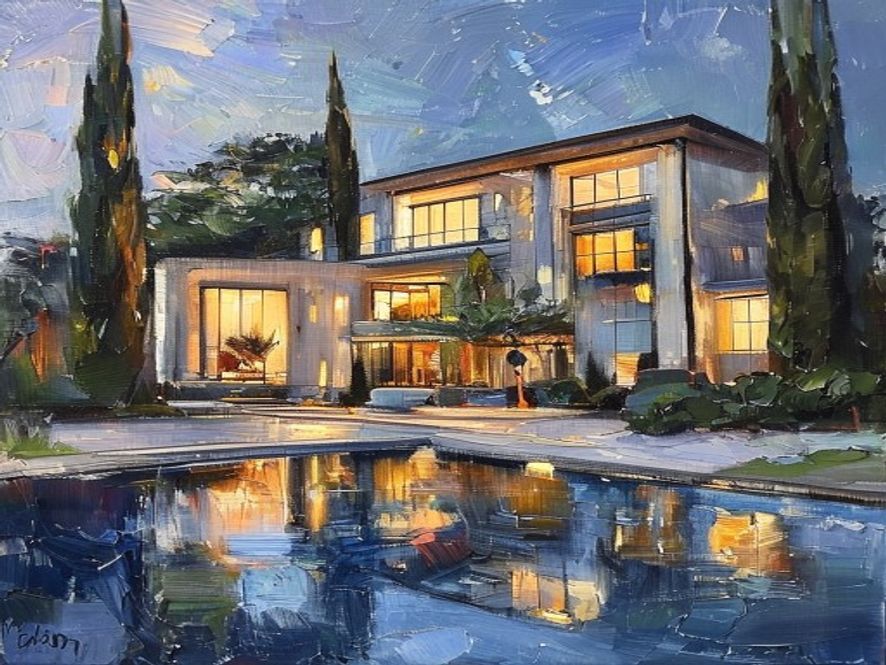
An architecture case study is the written and visual record that explains why a project took the form it did. Selection committees, private clients, and collaborating consultants use these narratives to judge whether a firm can think under constraint. Photographs alone create admiration. Case studies create confidence.
This guide is for firm principals, marketing leads, and project architects who need narratives that travel from the website into proposals without rewriting from zero each time. Related firm positioning appears in our work with architects.
Audience and purpose before prose
Decide who the study must serve first. A residential atelier speaking to private clients needs different emphasis than a civic practice speaking to boards. Some studies support recruiting and staff culture as a secondary audience. Write the primary path clearly; secondary uses can borrow modules later.
Define the selection job the study should win: more houses of a type, more adaptive reuse, more healthcare interiors, more waterfront work. If the portfolio is broad, tag studies carefully so visitors land on relevance quickly. A case study that tries to prove every capability at once often proves none.
Opening: project facts and the problem
Lead with typology, location, size, year of completion, and the client's core problem in plain language. A problem might be a constrained urban lot, a campus entry that needed clearer identity, or a house that had to serve three generations without feeling institutional. Avoid poetic fog in the first screen of reading.
State the role of the firm: design architect, executive architect, interior architecture, or a combination. Credit collaborators with approved names. Ambiguous credit confuses readers and can damage professional relationships when awards season arrives.
If the project is phased or ongoing, say so. Presenting a partial campus as a finished story invites later distrust.
Constraints and the design response
Constraints are the intellectual center of a strong architecture case study. Zoning envelopes, solar orientation, structural grids, budget bands, heritage rules, and program conflicts belong on the page. Then show the key moves that answered them: massing strategy, circulation idea, material logic, daylight approach, or landscape integration.
Use short sections or labeled paragraphs so a scanning reader can find structure. Diagrams help when they are simple and labeled. Dense technical drawings may suit an appendix or a private proposal leave-behind more than a public web page.
Be honest about trade-offs. Clients who hire architects already know projects involve compromise. Showing how the firm chose among imperfect options signals maturity.
Performance, lived use, and evidence
Where possible, include evidence beyond aesthetics: energy outcomes, daylight quality, accessibility improvements, construction duration relative to plan, or operational feedback from users. Numbers should be accurate and approved. Vague claims of sustainability without metrics weaken sophisticated readers.
For residential work, lived-use notes matter: how the kitchen works for a family that cooks, how privacy is handled on a tight lot, how storage was solved without visual clutter. For cultural or civic work, describe visitor flow and how the building supports programming.
If post-occupancy feedback exists, a few specific sentences outperform generic praise. Quotes need permission and should sound like real people.
Photography, drawings, and media discipline
Commission photography that respects the architecture rather than fighting it with exaggerated processing. Include context shots, not only heroic facades. Interiors and landscape should appear when they are part of the design argument. Sequence images to support the written narrative rather than dumping a folder online.
Drawings and process images can show thinking, but public pages should not become unreadable plan dumps. One clear plan or section with a short caption often teaches more than ten unlabeled sheets. Video can help for spatial sequences if it loads responsibly on mobile.
Maintain a rights log: photographer credit, client approval, and any press embargo. Reusing images without clearance is a preventable risk.
Reuse for proposals and long-term site architecture
Write case studies as modular assets. Keep a verified fact sheet (areas, team, timeline, metrics) separate from the public prose. Proposal teams can then assemble RFP responses quickly without inventing details under deadline pressure. Update the master file when awards, publications, or measured performance arrive.
On the website, give each study a stable URL, thoughtful internal links, and related-project suggestions that respect typology. Retire or revise studies that no longer represent the work the firm wants. Outdated photography of early-career projects can undercut a current fee conversation even when the design was fine for its time.
Measure whether studies influence inquiry quality. If visitors read deeply but never inquire, check contact paths and whether the studies target the clients you actually want.
Keep a short editorial calendar for studies: which projects are photographed this quarter, which need client approval, and which will feed award submissions later. Assign one owner so marketing does not wait indefinitely on busy project architects. A firm that publishes two strong studies a year usually outperforms a firm that promises twelve and finishes none.
Architecture narratives and architecture marketing succeed when they share the same restraint and precision as the work. When the firm site and content system need that alignment, you may inquire with Nakada Design, or explore complimentary tools while you draft.
Measurement that respects a boutique practice
Track a short list monthly: qualified inquiries, discovery calls held, proposals sent, and signed fees by source. Raw traffic and follower counts matter less than whether the right people are reaching out.
Review one channel at a time. If a platform produces volume without fit, reduce effort for a quarter rather than posting harder. If a quiet channel produces two strong projects a year, protect it.
Assign ownership. In a small studio the principal often remains the face of relationships while a coordinator or partner maintains the calendar and site. Without a name on the task, marketing is the first work abandoned when an install runs late.
What high-caliber clients notice first
When architects evaluate a studio or firm, they rarely start with a campaign metric. They start with whether the practice feels steady: clear process, consistent proof, and communication that respects their time. That standard should guide every section of this subject, including how you apply the ideas on this page to architects.
Concrete signals matter more than claims. Named phases, named owners, visible response times, and work that matches the commissions you want next will always outperform generic promises. If a recommendation on this page cannot be scheduled, measured, or put in a proposal, rewrite it until it can.
A ninety-day implementation plan
Days 1, 30: audit what you already have. List the pages, profiles, and tools that touch clients. Remove contradictions in naming, services, and contact paths. Choose three priorities only.
Days 31, 60: ship proof. Update the highest-value project pages or listings, fix the inquiry form, and put a simple tracking note on every new lead source. Begin the weekly cadence described above and keep it even when a project peaks.
Days 61, 90: review numbers and language. Keep what produced fit conversations. Pause what produced noise. Rewrite one weak page rather than launching five new ones. Steady improvement compounds more reliably than occasional bursts.
How this connects to the rest of the practice
Marketing, search, and operations only work when they describe the same studio. Proposal language, website process copy, and social proof should agree. When they diverge, sophisticated clients notice.
If you want a partner to align these pieces for architects, start with a focused conversation through inquire. For practical studio utilities, see our complimentary tools.
Decisions to make before you invest further
Be explicit about the commissions you want in the next twelve months. Be explicit about the geography and fee band. Be explicit about who owns follow-up when the principal is on site. Those three decisions determine which tactics on this page deserve budget.
Write them down. Share them with anyone who answers the phone or the inbox. Then revisit this article's recommendations and keep only the ones that serve that written target. That is how a boutique practice stays selective without becoming static.
Finally, protect time for craft. Every system here exists to return hours to design, building, collecting, or brokerage work. If a tactic consumes more attention than it returns in qualified conversations, it is a distraction dressed as progress.
Common questions
A clear problem, visible constraints, reasoned design moves, and evidence of performance or lived outcome. Beautiful images help, but selection depends on judgment made legible.
Many successful studies run 700 to 1,500 words with a disciplined image set. Award submissions may need more; public web pages should stay scannable.
Include enough performance and construction clarity to show competence. Keep proprietary methods and client-sensitive data private unless approved.
Yes. Strong public studies become reusable modules for proposals when facts, credits, and metrics are already verified and approved.