
AI Chatbots and Virtual Receptionists for 艺术画廊
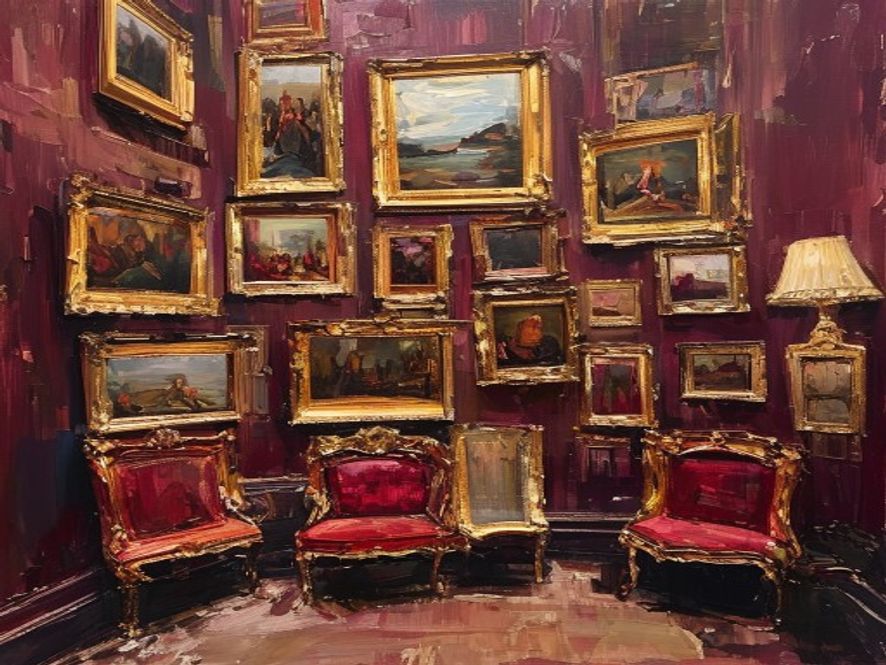
A collector browsing your website at eleven at night has a question about a work. In most galleries, that question waits until morning, and by morning the impulse has passed. An AI chatbot, sometimes called a virtual receptionist, answers immediately, captures the collector's details, and offers a time to view the piece. Done carefully, it gives a small gallery the responsiveness of a large one without adding staff. Done carelessly, it invents facts and embarrasses the brand. The difference is in the setup.
业务 a gallery chatbot actually does
A well-built assistant handles the predictable questions that arrive constantly: whether a work is available, its dimensions and medium, how shipping and framing work, when the current show runs, and how to arrange a viewing. It answers in seconds, at any hour, in your gallery's voice. More importantly, it turns those questions into captured contacts, so a late-night browser becomes a next-morning appointment rather than an anonymous visit that leaves no trace.
The use cases that matter most
A few jobs deliver most of the value. Answering availability and price-on-request inquiries instantly keeps interest warm. Booking viewings directly into your calendar removes the back-and-forth that loses momentum. Capturing the collector's name and interest feeds your CRM and your follow-up. Covering after-hours and weekend inquiries means you stop losing the collectors who browse when the gallery is closed, which is often when serious collectors have time to look.
The rule that keeps it credible: never invent
The single greatest risk with an AI assistant is a confident wrong answer. In the art world, a fabricated price, provenance detail, or availability claim is not a minor glitch, it is a credibility problem. A gallery assistant must be built with strict guardrails: it answers only from facts you have given it, and when it does not know something, it says so and offers to connect the collector with your team. Set up this way, the bot handles the routine and hands off the sensitive, which is exactly the division of labor you want.
Keep it sounding like your gallery
An assistant that sounds like a generic help desk undermines a luxury brand. The tone, vocabulary, and manner should match how your gallery speaks: composed, informed, and unhurried. Collectors should feel attended to by the gallery, not processed by software. This is a matter of careful configuration, not luck, and it is worth getting right because the assistant is often a collector's first interaction with you.
方法 it fits the wider system
A chatbot is the front door, not the whole house. It captures interest, and what happens next determines whether that interest becomes a sale. Connected to your CRM and to automated follow-up, a captured inquiry flows straight into a nurture sequence and a personal reply. On its own, a bot is a nice feature. As part of a lead generation system, it becomes a genuine source of collector conversations.
After-hours coverage without false promises
Collectors browse at night across time zones. A bot that can share exhibition facts, viewing-room links, and a private inquiry form earns its keep. It should never confirm availability or price on a primary work unless that data is live and approved.
方法 Nakada Design helps
We build and tune AI assistants for galleries and dealers, with the guardrails, brand voice, and CRM connections that make them an asset rather than a liability. If you are losing after-hours collectors, let us build you a first responder that never sleeps.
Implementation notes for serious practices
Treat the recommendations on this page as a sequence, not a buffet. Pick the two actions that match your next ninety days of capacity. Schedule them. 姓名 an owner. Review whether they produced fit conversations, not only activity.
For art galleries, public materials should match the work you want more of. Update imagery and case language when the portfolio moves. Retire pages that describe services you no longer take.
Keep inquiry handling boring in the strongest sense: one path, clear response time, notes stored where the team can find them. Most lost opportunities are operational, not creative.
Quality standards that protect the brand
Refuse tactics that require exaggeration. Prefer specific process language over superlatives. Prefer one strong project narrative over ten thin posts. Prefer a calm follow-up over a long sequence of automated messages that sound interchangeable.
If you use outside tools or contractors, give them a short brief: who you serve, what you never say, and how you want the inbox managed. Alignment here prevents expensive brand noise.
When the system works, marketing becomes quieter and more precise. That is the goal for a high-end practice. For a conversation about aligning site, search, and pipeline, use 咨询. Practical utilities live under 免费工具.
A simple monthly review
Once a month, list new inquiries, their sources, and outcomes. Keep what works. Pause what does not. Rewrite one weak page instead of launching several new ones. Steady revision is how boutique firms stay selective without becoming invisible.
Share the review with anyone who touches client communication. Marketing, project management, and business development should describe the same practice in the same words. When they diverge, clients feel the gap before the firm does.
常见问题
It answers collectors instantly at any hour, handling questions about availability, dimensions, shipping, and current shows, then captures the collector's details and offers a time to view a work. It gives a small gallery the responsiveness of a large one without adding staff.
Not if it is built correctly. A gallery assistant should be given strict guardrails so it answers only from facts you provide and, when it does not know something, says so and connects the collector with your team. Preventing confident wrong answers is the most important part of the setup.
A chatbot is the front door that captures interest. Automation is the system that acts on it, feeding a captured inquiry into your CRM, a personal reply, and a follow-up sequence. On its own a bot is a feature; connected to follow-up it becomes a real source of collector conversations.
Implementation notes for serious practices
Treat the recommendations on this page as a sequence, not a buffet. Pick the two actions that match your next ninety days of capacity. Schedule them. 姓名 an owner. Review whether they produced fit conversations, not only activity.
For art galleries, public materials should match the work you want more of. Update imagery and case language when the portfolio moves. Retire pages that describe services you no longer take.
Keep inquiry handling boring in the strongest sense: one path, clear response time, notes stored where the team can find them. Most lost opportunities are operational, not creative.
Quality standards that protect the brand
Refuse tactics that require exaggeration. Prefer specific process language over superlatives. Prefer one strong project narrative over ten thin posts. Prefer a calm follow-up over a long sequence of automated messages that sound interchangeable.
If you use outside tools or contractors, give them a short brief: who you serve, what you never say, and how you want the inbox managed. Alignment here prevents expensive brand noise.
When the system works, marketing becomes quieter and more precise. That is the goal for a high-end practice. For a conversation about aligning site, search, and pipeline, use 咨询. Practical utilities live under 免费工具.
A simple monthly review
Once a month, list new inquiries, their sources, and outcomes. Keep what works. Pause what does not. Rewrite one weak page instead of launching several new ones. Steady revision is how boutique firms stay selective without becoming invisible.
Share the review with anyone who touches client communication. Marketing, project management, and business development should describe the same practice in the same words. When they diverge, clients feel the gap before the firm does.