
AI-Powered Luxury Marketing: The AffluentLahature™ Guide
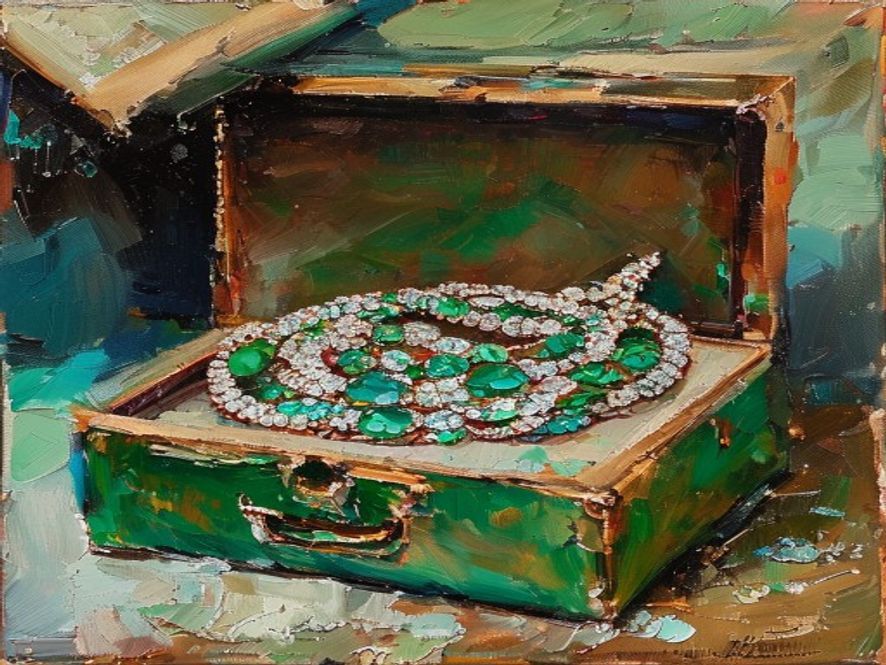
Luxury has always been sold on feeling, not efficiency. So the arrival of AI in marketing puts every luxury house in an awkward position. Used carelessly, it floods the market with the same generic copy and the same stock-perfect images, and sameness is the one thing an affluent buyer will not pay a premium for. Used well, it does the opposite. It gives a small, discerning studio the reach and responsiveness of a multinational while protecting the very thing that makes the brand worth desiring.
This is the balance our AffluentLahature™ methodology was built to hold. Below is how we think about AI-powered luxury marketing: where it belongs, where it does not, and how a brand courting ultra-high-net-worth clients should use it without losing what makes it exceptional.
The shift: your buyers now shortlist through AI
Long before an affluent client fills out a form, they research in private. Increasingly that research happens inside AI tools. A collector asks ChatGPT which galleries represent a certain movement. A developer asks Perplexity to compare branding studios. A yacht buyer asks for the most reputable brokers on the Mediterranean. The AI returns a short, confident list, and the brands on it win the introduction. The brands left off it are never considered, because the client never learns they exist.
This is a quieter version of the shift Google caused twenty years ago, and it rewards the same discipline: being the clearest, most credible, most consistently referenced name in your niche. The difference is that the shortlist is now three names long, not a page of ten. A luxury brand that treats AI visibility as optional is choosing to be invisible at the precise moment its strongest prospects are deciding.
Ano AI-powered luxury marketing is, and is not
It is not handing your brand voice to a chatbot and publishing whatever it returns. Affluent audiences read for provenance and taste, and machine-default writing signals neither. Ano AI does well is remove friction from the work around the craft: researching a prospect before a call, drafting the tenth variation of a campaign line for a human to choose between, tagging and routing inquiries, and answering a midnight message in your house style within a minute. The judgment, the aesthetic, and the final word stay with people. The tool buys those people time and consistency.
Framed simply: AI handles volume and memory, your team handles meaning. Cross that line and the brand cheapens. Hold it, and the brand feels more attentive than it ever has.
The six distinctions, applied to AI
Our work rests on six distinctions. Here is how each one changes when AI enters the studio.
Captivating Creativity. We use AI as an idea multiplier, not an idea replacement. It lets us explore twenty directions in the time one used to take, so the human choice at the end is better informed. The concept that reaches your audience is still chosen by taste, never averaged by a model.
Aesthetic Intelligence. Left to its defaults, AI pulls everything toward the middle, and luxury lives at the edges. We train tools on a brand's specific visual and verbal codes so that whatever they produce holds the house style, then we finish by hand where it matters most.
Exceptional Expertise. A luxury campaign draws on strategy, design, copy, and psychology at once. AI lets a small senior team orchestrate more of that work without diluting it, because specialists spend their hours on judgment while the tool handles the assembly.
DNA of Luxury. We understand what affluent buyers respond to: provenance, scarcity, discretion, and belonging. We use data and AI to find and segment those buyers with precision, then speak to them in the register they expect, rather than pushing a generic message wider.
Pursuit of Impact. AI is at its strongest in measurement. We tie effort to outcomes that matter, placements, commissions, and qualified inquiries, and let the data direct where the next dollar goes, instead of chasing vanity metrics that never reach the bank.
Bespoke Service. This is the clearest win. Automated, personal follow-up lets a boutique respond instantly and remember every detail, so a two-person house can deliver white-glove attention at a scale that once required a floor of staff.
Psychology first: prompting, GEO, and getting recommended
The reason most AI marketing reads as hollow is that it starts from the tool instead of the buyer. We start from the buyer. Our work is shaped by how affluent clients actually decide, which is rarely on price and almost always on status, trust, and the risk of a visible wrong choice. That psychology informs three things at once: the content we publish, the way we structure it for AI to quote, and the prompts we use to produce it.
Generative engine optimization, or GEO, is the practical side. To become the name an AI recommends, a brand needs clear and factual content in its niche, a consistent identity across the web, and credible third-party references that machines read as proof. It is a close cousin of classic SEO and authority building, aimed at a new kind of reader. We build it into every program. We wrote a fuller walk-through for galleries in how to get your gallery recommended by ChatGPT, and the principles carry across every luxury field.
Ano this looks like across our verticals
The method stays constant; the application changes by field. A few examples of where AI earns its place:
- Art galleries and dealers answer collector inquiries in seconds and qualify buyers before a fair. See AI automation for art galleries.
- Interior designers nurture high-end leads and keep a pipeline full without adding staff. See AI marketing for interior designers.
- Mga Arkitekto manage inquiry volume and long sales cycles with follow-up that stays personal. See AI marketing for architects.
- Luxury brands reach affluent segments with precision and appear on the AI shortlist their buyers now trust. See AI automation for luxury brands.
- Real estate developers and agencies qualify and route serious buyers instantly. See AI automation for real estate.
- Yacht brokers and charters answer ultra-high-net-worth enquiries around the clock and across time zones. See AI automation for yacht brokers.
- Mga Photographer win more commissions by never leaving an affluent client waiting. See AI automation for photographers.
Paano Nakada Design helps
We are a boutique agency built to reach ultra-high-net-worth audiences, and AI is simply the newest instrument in that work. We design the system, tune it to your voice, and keep a human hand on everything a client will see or feel. If you want your brand to reach affluent buyers with the reach of a large agency and the discretion of a private studio, tell us about your endeavor. You can also read how we work and why we create.
Mga madalas itanong
Only if you let it write the final word. Handled well, AI works behind the scenes on speed and memory while every client-facing decision stays with people. Buyers experience faster, more attentive service, not a more generic brand.
Publishing raw machine output can hurt both, because it reads as generic and search engines increasingly discount it. We use AI to draft and explore, then edit to your standard, so the published work carries your voice and earns trust from readers and algorithms alike.
Start where you are losing time or losing buyers, which is usually the first response to an inquiry and the follow-up that comes after. Get that reliable and on-brand, measure the difference, then extend into content, targeting, and AI visibility one step at a time.